

Imagine a cold November morning in Bihar. Devotional songs fill the air, families walk towards riverbanks carrying bamboo baskets, and thousands of devotees stand in water, waiting for the first rays of the Sun.
This is Chhath Puja, one of India’s most sacred festivals, celebrated with immense devotion, especially in Bihar, Jharkhand, eastern Uttar Pradesh and Nepal.
But how did this ancient tradition begin?
History and Origins of Chhath Puja

Chhath Puja is rooted in ancient Indian traditions of Sun worship. The Rigveda contains hymns dedicated to Surya, the Sun God, reflecting the importance of solar worship in early Indian culture.
However, the exact date or historical founder of Chhath Puja is unknown. Its present-day traditions developed through a combination of Vedic beliefs, folk traditions and agricultural practices.
Mythological Stories Behind Chhath
The Ramayana: According to popular religious traditions, Lord Rama and Goddess Sita worshipped the Sun God after returning to Ayodhya from their fourteen-year exile.

The Mahabharata: Karna, the son of Surya, was known for his devotion to the Sun God. He is traditionally associated with the practice of offering water to the Sun.

Another popular belief connects Draupadi and the Pandavas with Sun worship during their difficult times.
These are religious traditions, not independently verified historical accounts.
Who Is Chhathi Maiya?
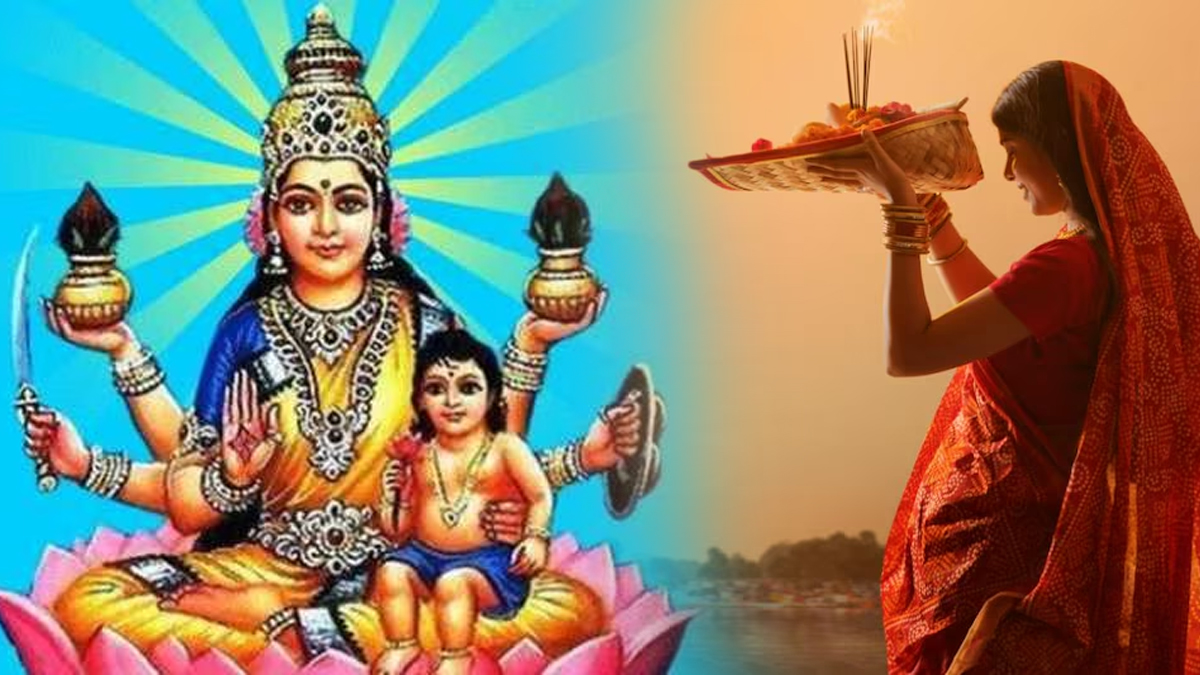
Chhathi Maiya is worshipped as the goddess who protects children and blesses families with prosperity and well-being. Some traditions associate her with Shashthi Devi, also known as Devasena.
The Four Days of Chhath Puja
Day 1- Nahay Khay: Devotees take a holy bath and eat a simple, pure vegetarian meal.
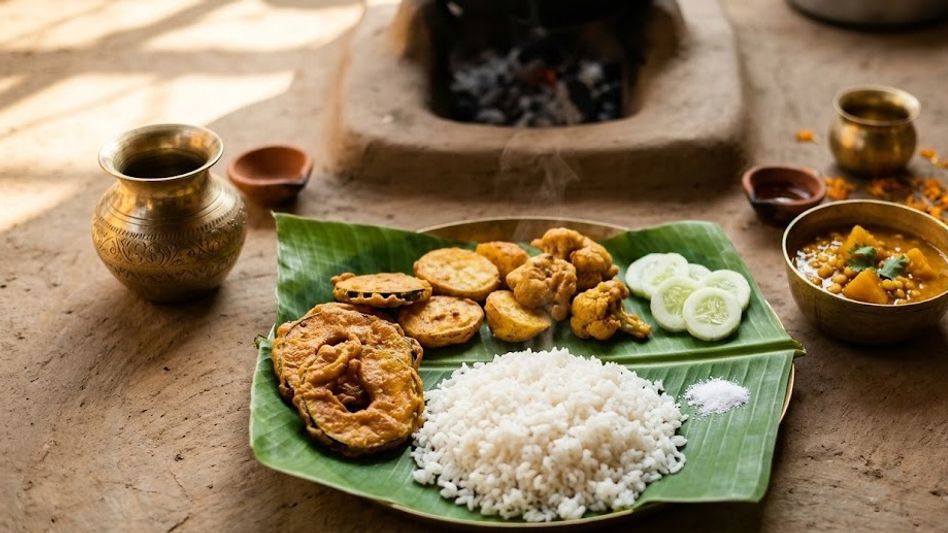
Day 2- Kharna: Devotees observe a day-long fast and break it in the evening with jaggery kheer and roti. A rigorous 36-hour fast follows.

Day 3- Sandhya Arghya: Devotees offer prayers to the setting Sun while standing in rivers or ponds.
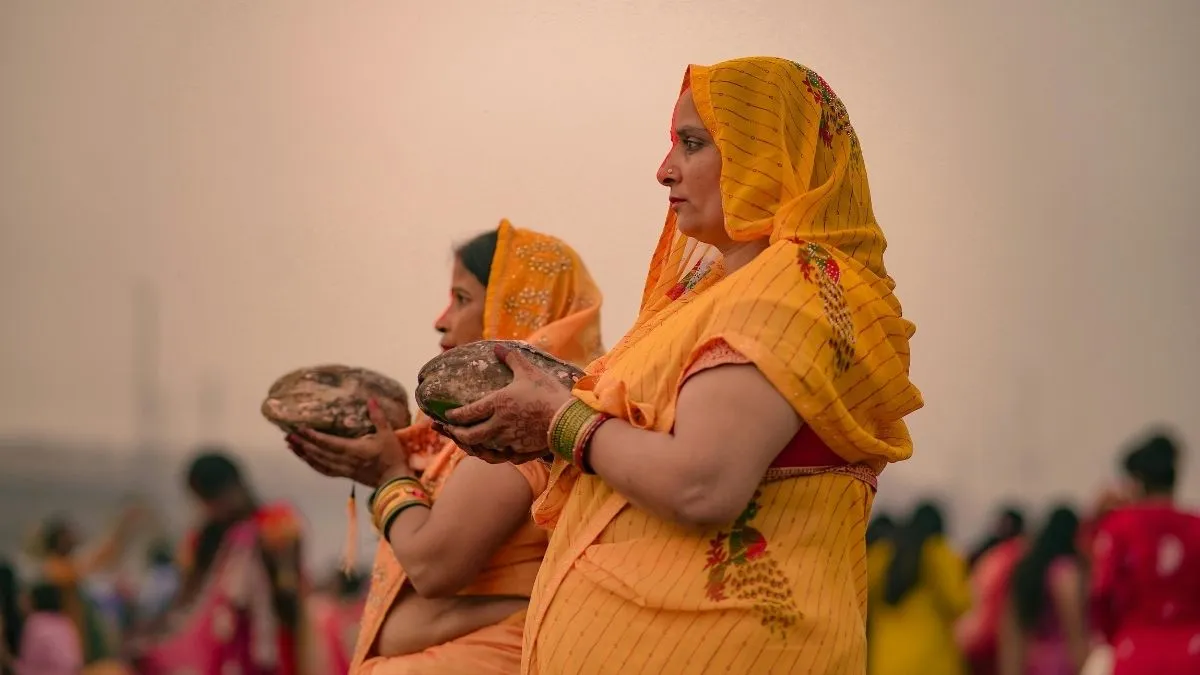
Day 4- Usha Arghya: Devotees offer prayers to the rising Sun and conclude the fast through Paran.

Traditional Offerings and Significance
Thekua, kasaar, bananas, coconuts, sugarcane and seasonal fruits are among the traditional offerings.

Chhath Puja celebrates gratitude towards nature, family unity, discipline and devotion.
Why Is Chhath So Special?
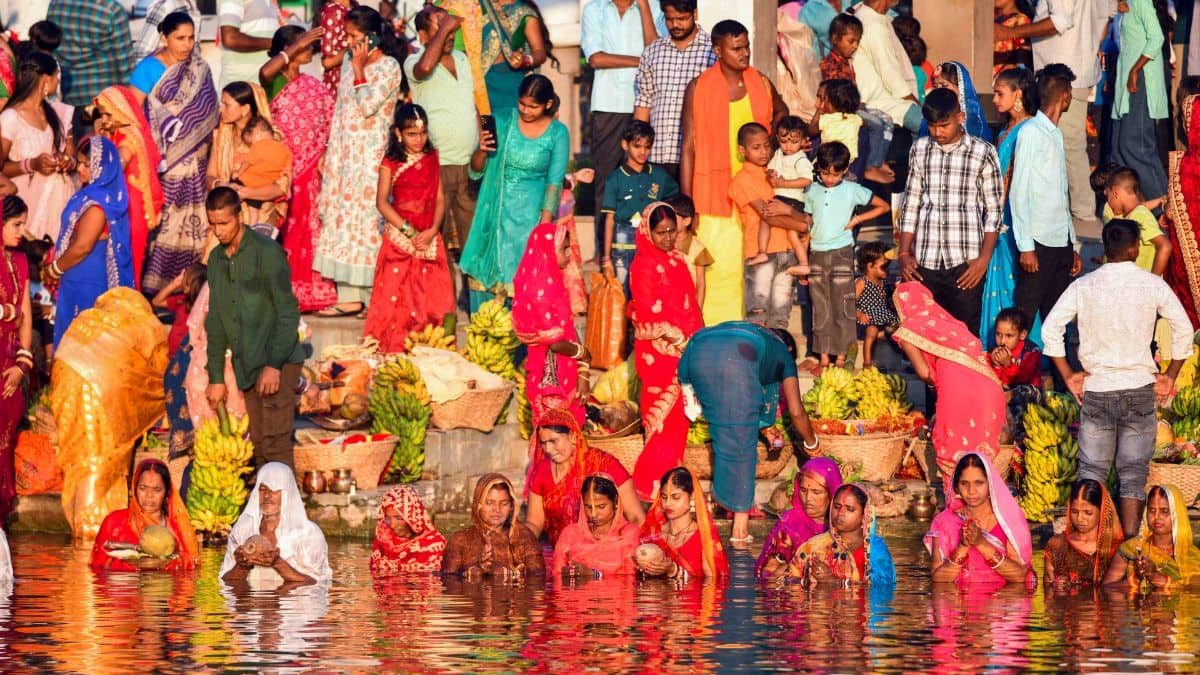
Unlike many festivals, Chhath honours both the setting and rising Sun, teaching us to respect every phase of life.
Today, this festival is celebrated across India and around the world, keeping Bihar’s cultural heritage alive.
Chhath is not just a festival; it is an emotion, a tradition and a symbol of unwavering faith.


